

What Britain’s Hot, Dry Summer Has Done to Our Pollinators
It is easy to see what a hot, dry summer does to a garden. Lawns turn brown, soil contracts and cracks, trees begin shedding leaves long before autumn, and thirsty perennials retreat underground. The effects on pollinators are less immediately visible, but no less significant.
In the latest episode of The Gardener’s Lodge Podcast, I spoke with Professor Jeff Ollerton, a leading pollination ecologist and the author of Pollinators & Pollination and Birds & Flowers. Our conversation explored how extreme summer heat and drought are affecting Britain’s bees, butterflies and other pollinating insects and why the picture is more complicated than a simple story of universal decline.
Why hot, dry summers are difficult for bumblebees
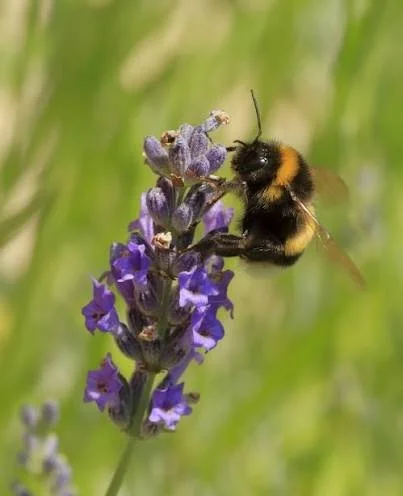
Bumblebees are particularly vulnerable to prolonged hot weather. As Jeff explains, they largely evolved in cooler environments and are most abundant and diverse in cooler parts of the Northern Hemisphere. Their large, hairy bodies are exceptionally well suited to retaining and generating heat, but that becomes a disadvantage during an exceptionally warm British summer.
“These kinds of hot, dry summers are really not good for them,” Jeff told me. “The bumblebees that I am seeing, many of them are very, very small - much smaller than usual.”
That reduced size is not simply an interesting physical change. It is a warning that the colony has been struggling to find enough food.
“That’s always a sign that there are fewer resources available for them,” he said.
Heat and drought can shorten flowering periods, reduce the number of flowers available and affect nectar production. A garden may still contain plants, but if relatively few are flowering or each flower is offering a poorer reward. The landscape becomes far harder for a bumblebee colony to navigate. Smaller workers can then emerge because developing larvae have received less food.
The effects are not necessarily permanent. Bumblebee populations are capable of recovering during cooler, wetter years. The more difficult question is whether those restorative years will arrive frequently enough as the UK climate continues to change.
Butterflies have responded differently
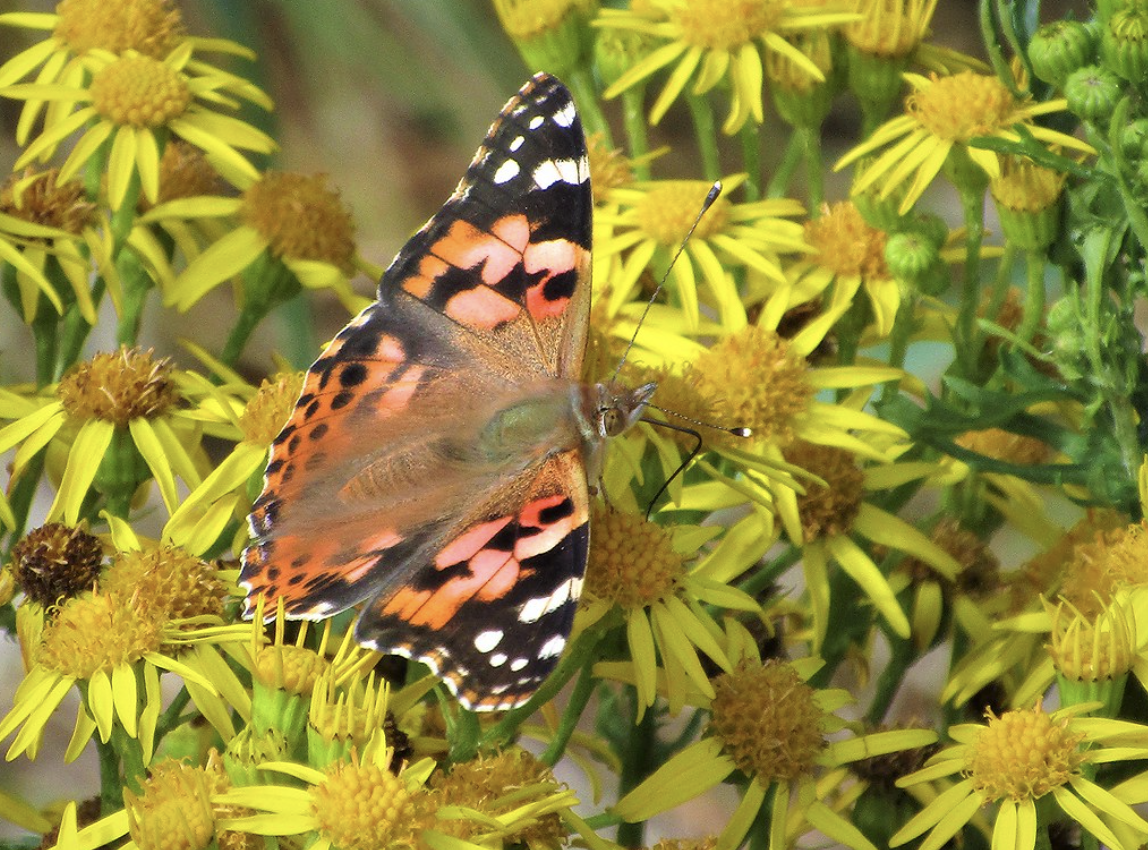
Not every pollinator has struggled in the same way. While bumblebees have suffered, many butterflies have appeared far more abundant during the warm, dry weather.
“Butterflies are having a really good year at the moment,” Jeff said. “Lots and lots of butterflies… because they like the hotter, drier conditions, mostly. Again, that’s a generalisation.”
That final qualification matters. There is no single response shared by every butterfly, bee, moth, beetle or hoverfly. Different species evolved in different climates and depend on different plants, habitats and seasonal cues. Cold, wet summers can be extremely difficult for many butterflies, while warm, dry weather may allow them to fly, feed and reproduce more successfully.
This does not mean climate change is good for butterflies, or that their long-term decline has been reversed. It means ecological change creates winners as well as losers in the short term. As Jeff put it, “There is a lot of flexibility within these ecological systems, which we sometimes don’t give them credit for.”

Prof. Jeff Ollerton
Can wildlife-friendly gardens really help pollinators?
Gardeners cannot solve climate change from their borders, and gardens represent far less land than agriculture. But dismissing the value of an individual garden would be equally mistaken. Collectively, wildlife-friendly gardens create connected pockets of food, shelter and breeding habitat across towns, cities and rural communities.
Jeff describes them as “little population reservoirs for species that can then move out into the wider countryside if there’s habitat available for them”. Crucially, he added that these spaces can have a positive local effect “no matter how small they are”.
Supporting UK pollinators requires more than planting a few nectar-rich flowers. Jeff describes three broad resources that pollinators need: flowers for food; somewhere to reproduce; and the additional materials or conditions needed to complete their lifecycle.
In practical terms, a genuinely pollinator-friendly garden should:
provide different flower shapes across as much of the year as possible.
retain host plants for butterfly and moth caterpillars.
include bare soil, hollow stems, leaf litter and other nesting habitat.
offer shallow, safely accessible water during dry weather.
allow plants to complete their lifecycle rather than cutting everything down after flowering.
avoid pesticides and reduce unnecessary fertiliser and fungicide use.

Structural diversity matters too. Ground-layer plants, herbaceous perennials, climbers, shrubs and trees create more opportunities than a border composed at a single height. Native plants are valuable, but Jeff is not a strict native-plant purist; carefully chosen plants from warmer parts of Europe may also help make British gardens more resilient as conditions change.
The larger lesson from this extraordinary summer is that “pollinators” are not one uniform group. Hot, dry weather may favour some species while pushing others towards their limits. Our gardens therefore need diversity: not one supposedly perfect pollinator plant, but a resilient web of flowers, food plants, water, shelter and nesting opportunities.
You can hear my full conversation with Professor Jeff Ollerton on The Gardener’s Lodge Podcast on Spotify, Apple Podcasts and YouTube. To start creating more habitat at home, you can also download my free Biodiversity Border Blueprint—a professionally designed wildlife-friendly planting plan featuring 12 UK native species.