Where to Buy Peat-Free & Pesticide-Free Plants in the UK
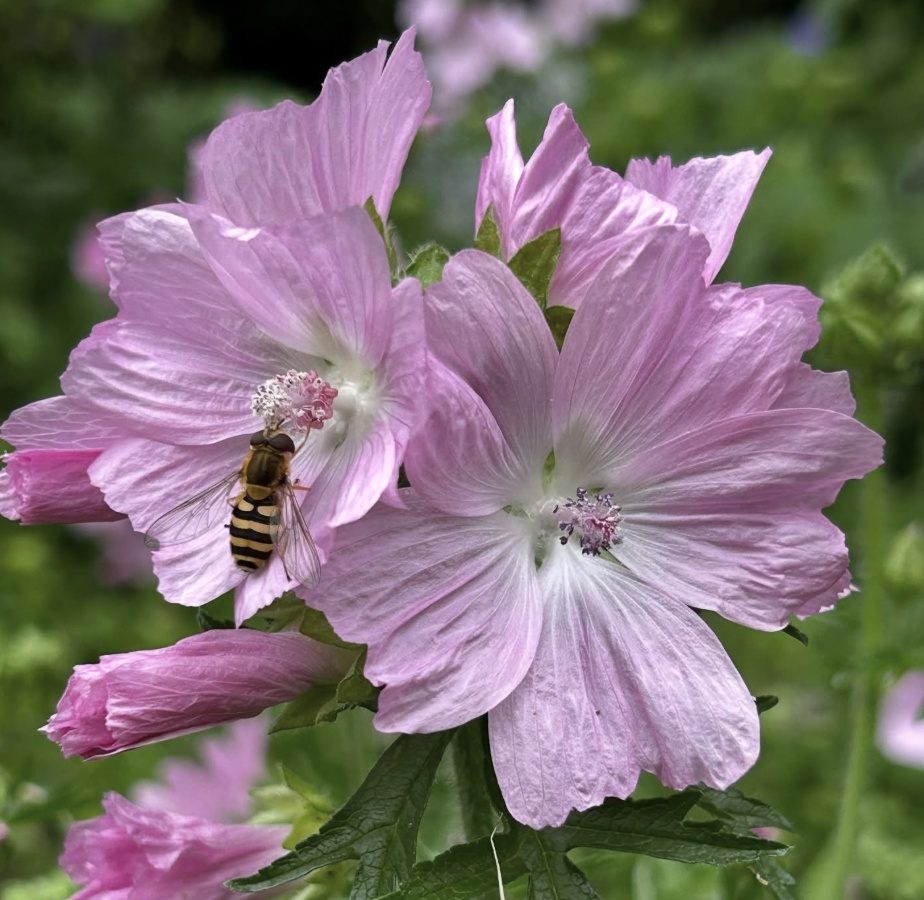
You might think that filling your garden with pollinator-friendly plants means you're doing something good for biodiversity.
But the uncomfortable truth is that some of the plants sold to help wildlife can have already harmed it before they even reach your garden.
Plants marketed as ‘bee-friendly’ or ‘wildlife-friendly’ may have been raised in peat-based compost and routinely treated with pesticides, fungicides and insecticides during commercial production. The label tells you what the plant might do in your garden, not how it was grown!
Peat extraction destroys and degrades carbon-rich habitats that have taken thousands of years to form, while pesticides, fungicides, and selective herbicides, used in plant production can harm the very insects we're buying these plants to support.
That's why what you buy matters, but where you buy it matters too. Choosing nurseries that grow peat-free and without routine pesticides means your biodiversity garden isn't simply wildlife-friendly once it arrives at your door — it's been grown with biodiversity in mind from the beginning.
Are you really helping biodiversity with the plants you buy?
100% UK Peat-Free & Pesticide-Free Online Plant Nurseries
The nurseries below are some of the strongest options I've found where there is clear evidence that plants are grown peat-free and without pesticides or synthetic chemical controls.
-
www.growildnursery.co.uk
A fantastic choice if you're looking for something a little unusual.Growild specialises in rare and unusual plants and seeds, particularly hardy perennials from Japan, China and the Himalayas. Everything sold is grown on site, the nursery is 100% peat-free, grows to vegan standards and states that it does not use any chemicals.
Best for: Rare perennials, unusual plants and seeds
Peat-free: Yes
Chemical/pesticide-free: Yes
Online ordering: Yes -
thelittlegreenplantfactory.co.uk
A small Yorkshire nursery producing perennials, shrubs, trees, climbers and grasses.
Plants are propagated on site using peat-free compost, and the nursery states that no chemicals whatsoever are used from propagation through to sale. They also make extensive use of coir pots and plastic-free systems.
Best for: Perennials, shrubs, climbers, trees and grasses
Peat-free: Yes
Chemical/pesticide-free: Yes
Online ordering: Yes -
www.wildflowers.uk
One of the particularly useful options for anyone creating a native or wildlife garden.This Norfolk nursery grows an extensive selection of British wildflowers, grasses, plug plants and wildflower collections. The nursery states that all plants are grown using peat-free compost and without pesticides.
You can also buy plants for particular situations including shade, wet ground and wildlife-friendly planting.
Best for: Native British wildflowers, plug plants and meadow planting
Peat-free: Yes
Pesticide-free: Yes
Online ordering: Yes -
Rosybee takes pollinator-friendly growing particularly seriously.
Rather than simply labelling plants as "bee friendly", the nursery has carried out its own research into which plants actually attract pollinating insects. Its plants are grown organically and without peat or pesticides.
An excellent option for building a garden specifically around bees and other pollinators.
Best for: Bees, butterflies, hoverflies and pollinator planting
Peat-free: Yes
Pesticide-free: Yes
Online ordering: Yes -
www.pictshillalpines.co.uk
A family-run online nursery in Somerset specialising in alpines and other compact plants.All plants sold by Picts Hill are propagated at the nursery itself using 100% peat-free compost. The nursery is also pesticide-free, instead using techniques including companion planting and biological controls where necessary.
Best for: Alpines, rock gardens, containers and smaller spaces
Peat-free: Yes
Pesticide-free: Yes
Online ordering: Yes -
edibleculture.co.uk
Edibleculture in Kent has taken a particularly ambitious approach to sustainable horticulture and describes itself as a peat, pesticide and single-use-plastic-free nursery and garden centre.Its nursery produces herbs, vegetable plants, fruit trees, soft fruit, herbaceous perennials and hedging, including native plants.
It also operates an innovative system that allows customers to take plants home without the usual disposable plastic pot.
Best for: Edibles, fruit trees, herbs, native plants and perennials
Peat-free: Yes
Pesticide-free: Yes
Single-use-plastic-free sales: Yes -
Based in Dorset, Careys specialises in wildlife-friendly and sustainably produced plants.
Its plants are propagated from its own stock plants or from seed and are grown completely peat-free and pesticide-free. The nursery also focuses on seasonal growing rather than importing or artificially forcing plants.
Best for: Wildlife-friendly garden plants, Salvias and unusual ornamentals
Peat-free: Yes
Pesticide-free: Yes
Online ordering: Yes -
morlasplants.co.uk
A specialist Shropshire nursery particularly worth knowing about if you love bulbs.Morlas grows Galanthus, Erythronium, Narcissus and other specialist plants. The nursery states that it operates organically, uses no chemicals and grows its plants in peat-free compost.
Rather wonderfully, its snowdrops are protected from narcissus fly using physical netting rather than chemical control.
Best for: Snowdrops, bulbs and specialist woodland plants
Peat-free: Yes
Chemical-free: Yes
Order Online: Yes -
gardenersdelightnursery.co.uk
This North Devon nursery grows a large selection of herbaceous perennials and other garden plants, with a particularly strong emphasis on plants for pollinating insects.The nursery states that the plants it grows are produced using peat-free compost and without pesticides.
One caveat is worth noting: Gardeners Delight says it grows more than 90% of the plants it sells, rather than 100%. If avoiding pesticides and peat throughout the entire supply chain is essential to you, check the provenance of individual plants before purchasing.
Best for: Perennials and pollinator-friendly planting
Peat-free: Yes for nursery-grown stock
Pesticide-free: nursery-grown stock
Online ordering: Yes -
A family nursery near Southampton specialising particularly in Abutilon alongside a smaller collection of perennials, shrubs and other interesting plants.
The nursery has been peat-free for around two decades and says it avoids harmful chemicals. Plants are available online with delivery throughout mainland UK.
Best for: Abutilon and unusual ornamental plants
Peat-free: Yes
Chemical policy: Avoids harmful chemicals
Online ordering: Yes -
A particularly interesting option if you're looking beyond herbaceous planting.
Asgar Trees in West Berkshire specialises in organically produced trees and hedging plants, with an emphasis on UK native species. Plants are grown from UK-produced seed in organic, peat-free compost without reliance on synthetic chemical inputs.
Best for: Native trees, hedging and larger biodiversity projects
Peat-free: Yes
Chemical-free: Yes
Online ordering: Contact Directly. -
beehappyplants.co.uk
Soil Association-certified organic nursery specialising in plants for pollinators. Uses 100% peat-free growing compost and produces plants from UK-provenance seed.
Best for: Bees, butterflies, hoverflies and pollinator planting
Peat-free: Yes
Chemical-free: Synthetic Chemical free
Online ordering: Yes -
A small, Soil Association-certified organic nursery in North Devon specialising in herbaceous perennials alongside grasses, herbs, shrubs, climbers and trees. All plants are grown on site to organic standards in 100% peat-free compost, with no bought-in plants or plugs, and plants are available for mainland UK delivery. They also offer plastic-free delivery.
Peat-free: Yes
Chemical Free: Organic Certified
Online: Yes -
Based in Wales, Celtic Wildflowers specialises in an extensive range of British native wildflowers, grasses, shrubs and trees, including species suitable for wildlife gardens and larger habitat-creation projects. The nursery is peat-free and participates in the National Botanic Garden of Wales' Saving Pollinators Assurance Scheme, making it a particularly strong option for biodiversity-focused planting.
Best for: British native wildflowers, grasses, shrubs and trees
Peat-free: Yes
Chemical Free: Synthetic Chemical Free
Native plants: Yes
Online ordering: Yes
If You Feel Your Business Should be on this list Contact Us
Before You Buy: Ask These Four Questions
If a nursery doesn't publish its growing methods, don't be afraid to ask.
Are your plants grown completely peat-free from propagation to sale?
Do you buy in plug plants or young plants that may have been propagated in peat?
Are insecticides, fungicides or other synthetic pesticides used during production?
Do you propagate your own plants or buy them from other wholesale growers?
Glossary: What Do These Terms Actually Mean?
Plant labels can be a bit of a minefield. Here's what some of the terms and certifications used throughout this guide actually mean.
-
The plant has been grown without peat-based growing media. Ideally, 100% peat-free means peat hasn't been used at any stage, from propagation through to the finished plant — not simply that the plant has been repotted into peat-free compost before sale.
-
Means plants have been produced without pesticides being applied during production. It's worth checking what a nursery means by this term, as “pesticide” covers insecticides, fungicides, herbicides and other plant-protection products.
-
Means the grower avoids synthetically manufactured pesticides, including synthetic insecticides, fungicides and herbicides. This doesn't necessarily mean that absolutely no pest control is used growers may still use biological controls, physical barriers or treatments permitted within organic horticulture.
-
A useful description, but not a guarantee of how a plant was grown. It usually means a plant provides nectar or pollen for bees, butterflies, hoverflies or other pollinating insects. A “pollinator-friendly” plant can still potentially have been grown in peat or treated with pesticides — which is exactly why the growing credentials matter too.
-
Generally means plants have been grown using organic principles, avoiding routine use of synthetic fertilisers and pesticides and focusing instead on practices such as biological controls, healthy soils and preventative pest management. However, “organic” on its own isn't necessarily a certification, so it's worth checking exactly what an individual nursery means by it.
-
Instead of reaching immediately for pesticides, growers can use living organisms to control pests naturally. This might include predatory mites, parasitic wasps, beneficial nematodes or other organisms that prey upon common nursery pests. It's essentially using ecology to manage ecology.
-
A much stronger claim than simply describing plants as organic. The Soil Association is an approved UK organic certification body, and certified growers must follow defined organic production standards and undergo inspection. Organic certification greatly restricts the pesticides and fertilisers that can be used, although it's important to remember that certified organic does not necessarily mean absolutely no pesticides are ever used.
-
An assurance scheme developed by the National Botanic Garden of Wales to help gardeners identify plants grown in ways that are genuinely better for pollinators. Approved growers must meet standards around peat-free production and pesticide use, helping address the contradiction of plants being marketed to pollinators while being produced using practices that can harm them.
-
Seed collected from plants growing within the UK rather than imported from populations elsewhere. Provenance can be particularly important for native planting and habitat restoration, where maintaining locally or nationally appropriate plant genetics may be desirable.