

We’ve Forgotten Where Food Comes From. Foraging Can Help Us Remember
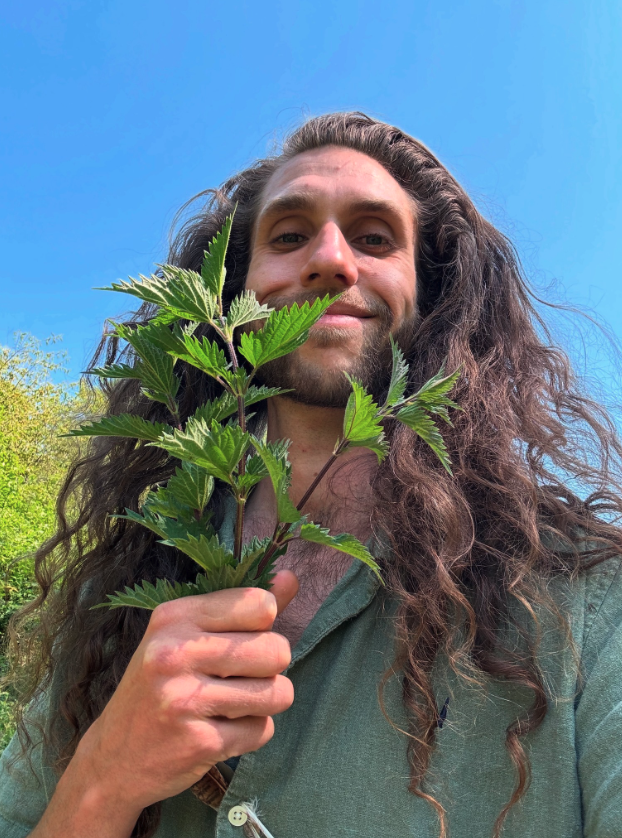
Leo Utton - The Barefoot Forager
Walk down almost any street and you will pass food.
Not food wrapped in plastic, stacked on supermarket shelves, or shipped halfway across the world, but real food. Growing quietly through cracks in pavements, along hedgerows, in parks, and at the edges of our gardens.
The strange thing is, most of us never see it.
In a recent episode of The Gardener’s Lodge Podcast, I spoke with Leo Utton, better known as The Barefoot Forager — about the forgotten art of foraging and the surprisingly deep relationship it can help us rebuild with the natural world.
Very early in our conversation Leo said something that stuck with me:
“People don’t associate plants growing out the ground with their dinner. People associate their dinner with plastic packaging.”
It’s a simple observation, but it captures something profound about modern life. Somewhere along the way, we lost the connection between the plants around us and the food we eat. Foraging may be one of the simplest ways to rebuild it.
The Great Disconnection From Food
For most of human history, gathering wild food was simply part of daily life. Even after agriculture became widespread, people still supplemented their diets with wild plants, herbs, fruits and mushrooms. In fact, many foods we now call “weeds” were once common ingredients in everyday cooking.
“You can look at Victorian cookbooks and they’ve got dandelions in there. Nettles are in there… Everyone knew you could eat them.” leo explains. But somewhere over the last century or two, that knowledge quietly disappeared. Today, food largely arrives to us already processed, packaged, and disconnected from the landscape that produced it. Leo sums it up brilliantly “I walk from my house to Tesco and there is more nutrition on that walk than there is in the bloody supermarket. It sounds like a gross exaggeration at first. But when you start learning about wild plants, you realise how true it could be.
The pavements, hedgerows, and parks we walk past every day are full of edible plants; nettles, chickweed, hogweed shoots, wild garlic, and then you have the fruiting trees and shrubs we turn a blind eye to.
We just don’t recognise them anymore.
Foraging: A Forgotten Human Skill
Leo believes that the instinct to recognise and gather food from nature isn’t something new we need to learn — it’s something we’ve forgotten. “Every human being is born with an innate love of the natural world… and then it gets sucked out of you.” modern life pulls us away from that connection.
We spend more time indoors, our food comes from distant supply chains, and our landscapes are often managed to remove the very plants that once sustained us.
But the knowledge hasn’t disappeared entirely. It’s simply waiting to be rediscovered. And that rediscovery can start with something as simple as learning a handful of plants. Leo often recommends beginners start small. “You don’t need to forage a hundred plants this year. Forage three or four.”
Stinging nettles.
Dandelions.
Chickweed.
Wild garlic.
Learn these four first. Once you recognise them, you’ll begin to notice them everywhere.
Seeing the Landscape Differently
One of the most fascinating parts of foraging isn’t actually the food itself, it’s how it changes the way you see the landscape.
Suddenly a walk through a park becomes something else entirely.
You start noticing the seasons more closely. You recognise when certain plants emerge, flower, and fade again. You remember where a tree is and return weeks later to see how it has changed. “It ties you into what the world is doing… you literally have to go outside and see what’s growing.” Leo Says. That simple act of paying attention reconnects us with seasonal patterns that modern food systems have largely erased.
Strawberries in winter? Tomatoes all year round? Herbs from every continent at any time? Nature doesn’t work like that.
Foraging gently reintroduces us to the idea that food is seasonal, and that those seasons matter.
The Weeds in Your Garden Might Be Dinner
For gardeners, this shift in perspective can be especially powerful. Many plants we instinctively pull out of our gardens are not only edible, but highly nutritious. Take chickweed, for example — a common garden “weed” that Leo describes as one of the best salad greens in Britain. Or stinging nettles, which have been used in soups, teas and cooking for centuries. The issue isn’t that these plants are useless. It’s simply that we’ve forgotten their uses.
Leo put it simply: “One man’s weed is another man’s dinner.”
Learning to recognise these plants changes the relationship we have with our gardens, our parks, and the wild edges of our cities.
They stop being unwanted intruders and start becoming part of a wider living food system.
Foraging Is About More Than Food
While wild food is exciting, the benefits of foraging go far beyond what ends up on the plate.
It reconnects us with the outdoors. It encourages curiosity. It slows us down and invites us to pay attention to the living world around us. “It’s not just about diet either. It’s about your mental health… it ties into lots of different things.” In a world where many people feel increasingly disconnected from nature, that reconnection can be surprisingly powerful. Foraging invites us to step outside, observe closely, and interact with plants in a meaningful way. Even something as simple as recognising a patch of nettles suddenly feels like discovering a hidden resource in plain sight.
Relearning the Landscape
The wonderful thing about foraging is that it doesn’t require remote wilderness or huge amounts of time. Many edible plants grow right alongside where we live. The real skill is simply learning to recognise them. Once you do, the landscape begins to change. What once looked like empty ground suddenly becomes full of possibilities. And that quiet shift in perspective might be one of the most valuable lessons foraging offers.
Listen to the Full Conversation
If you’re curious about wild food, plant folklore, and the science behind traditional herbal knowledge, the full conversation with Leo Utton is well worth a listen.
In the episode we discuss:
The biggest mistakes beginner foragers make
Why plant ID apps can be dangerous
The surprising foods you can find in early spring
How ancient herbal knowledge compares with modern science
And why many plants we call weeds were once valuable foods
🎧 Listen to the episode with The Barefoot Forager
If you step outside today, take a moment to look more closely at the plants around you.
You might just realise you’ve been walking past dinner this whole time.