

Stop Fighting Your Lawn: Why ‘Mongrel Lawns’ Are Better for Wildlife and Gardeners
The Case for the Mongrel Lawn
Why diverse lawns may be the future of gardening
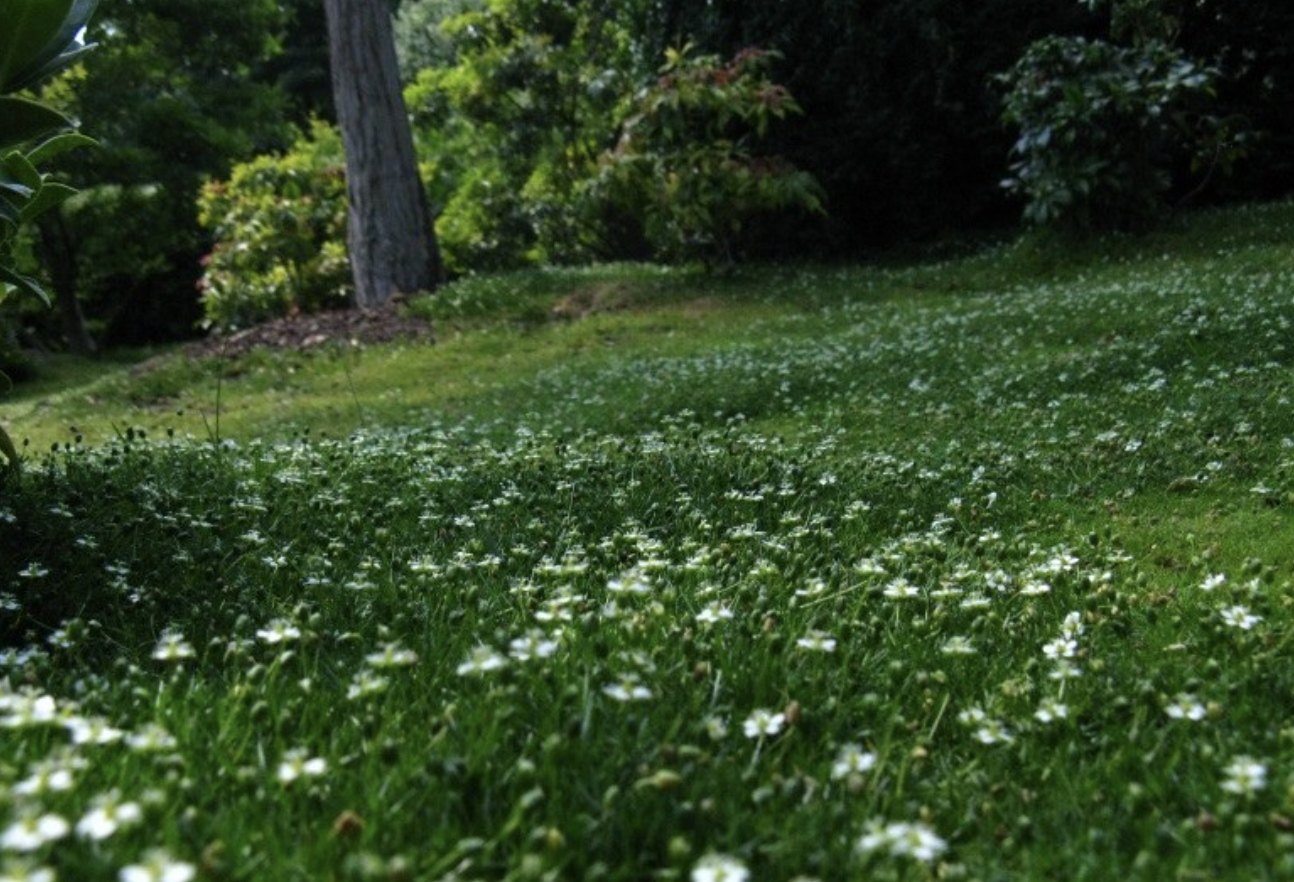
As a garden designer in London, one of the most common requests I hear from clients is simple: they want a beautiful garden that is easy to maintain. Busy city lives mean people don’t want to spend every weekend feeding, treating and constantly managing their lawn.
Somehow we have been tricked into thinking that a perfect lawn is the easiest low maintenance solution to this problem. But the reality is that this kind of lawn often demands the most maintenance, the most inputs and the most intervention of any gardenscape . Increasingly, I encourage clients across London and the UK to consider a different approach: the mongrel lawn; a biodiverse, resilient lawn that works with nature rather than constantly fighting against it.
An entire industry has grown around maintaining this aesthetic. Herbicides remove broadleaf plants, Pre-emergents to prevent weed seed germination, fertilisers maintain colour and vigour, moss treatments correct perceived imperfections, and irrigation systems help lawns survive increasingly dry summers and that is before the hours of labour needed to dedicate to it.
Yet the pursuit of the perfect lawn comes with environmental costs that are becoming harder to ignore.
Increasingly, gardeners, ecologists and land managers are beginning to question whether the traditional lawn is actually the best model for our gardens and environment.
A different approach is beginning to gain attention and I’m coining it: The Mongrel Lawn.
The Environmental Cost of the Perfect Lawn

Modern lawns are typically a monoculture, consisting of only a few carefully selected grass species bred for colour, density and uniform growth. While they may look pristine, monocultures are inherently fragile ecosystems that provide little to no environmental benefit.
Because diversity has been removed, these lawns often depend on constant human intervention to maintain their appearance.
This frequently includes:
Pre and post emergent herbicides to eliminate broadleaf plants
Synthetic fertilisers to maintain rapid growth and colour
Moss control treatments
Fungicides to address lawn diseases
Pesticides to deal with bug problems
Irrigation to combat drought stress
Weekly mowing.
While these products may achieve the desired visual result, they can also disrupt soil life and contribute to chemical runoff into waterways. Repeated fertiliser applications can alter soil biology, while herbicides remove plants that would otherwise support insects and pollinators.
Beyond the chemical inputs, there is another significant issue: ecological value.
A conventional lawn provides very little for wildlife. With no flowers, minimal structural diversity and frequent mowing, it offers limited food or habitat for insects, which in turn affects birds and other animals higher up the food chain.
In ecological terms, a perfect lawn can function as a green desert.
The Lawn That Wants to Exist
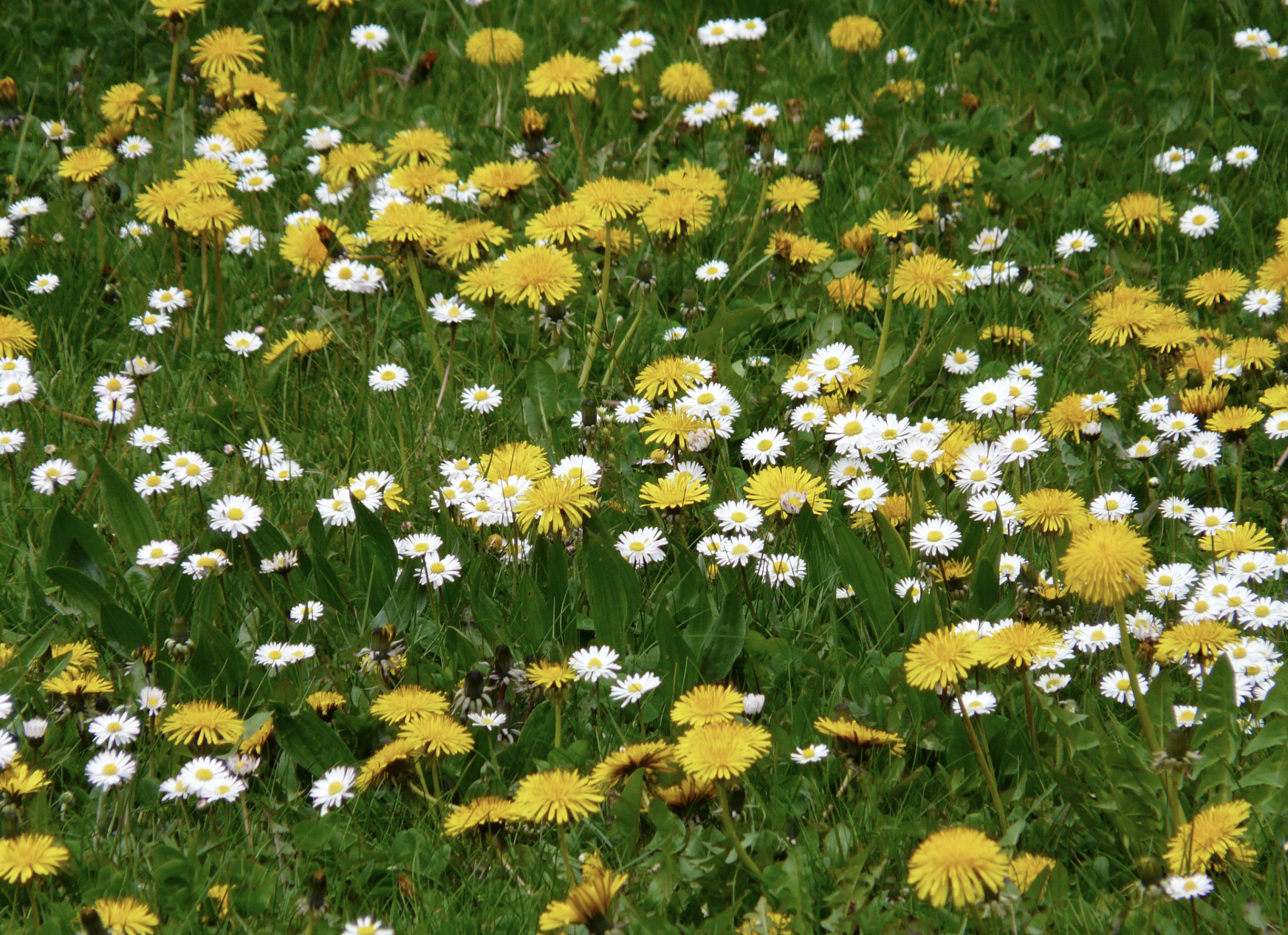
Interestingly, most lawns are constantly trying to move in a different direction.
If chemical treatments stop and mowing becomes slightly less intensive, a variety of low-growing plants will naturally begin to appear. Many of these are species that have coexisted with grasses for centuries.
Common examples include:
White clover (Trifolium repens)
Daisy (Bellis perennis)
Self-heal (Prunella vulgaris)
Birds-foot trefoil (Lotus corniculatus)
Yarrow (Achillea millefolium)
Speedwell (Veronica species)
These plants are often described as weeds in lawn care guides, yet from an ecological perspective they are highly valuable. Many produce nectar and pollen that support bees, hoverflies, butterflies and other beneficial insects.
Clover in particular plays an important role in fixing nitrogen from the air, enriching the soil naturally and eliminating the need for synthetic fertilisers.
Rather than harming the lawn, these plants can help create a more resilient and balanced system.
What Is a Mongrel Lawn?
A mongrel lawn is simply a lawn that embraces plant diversity rather than resisting it.
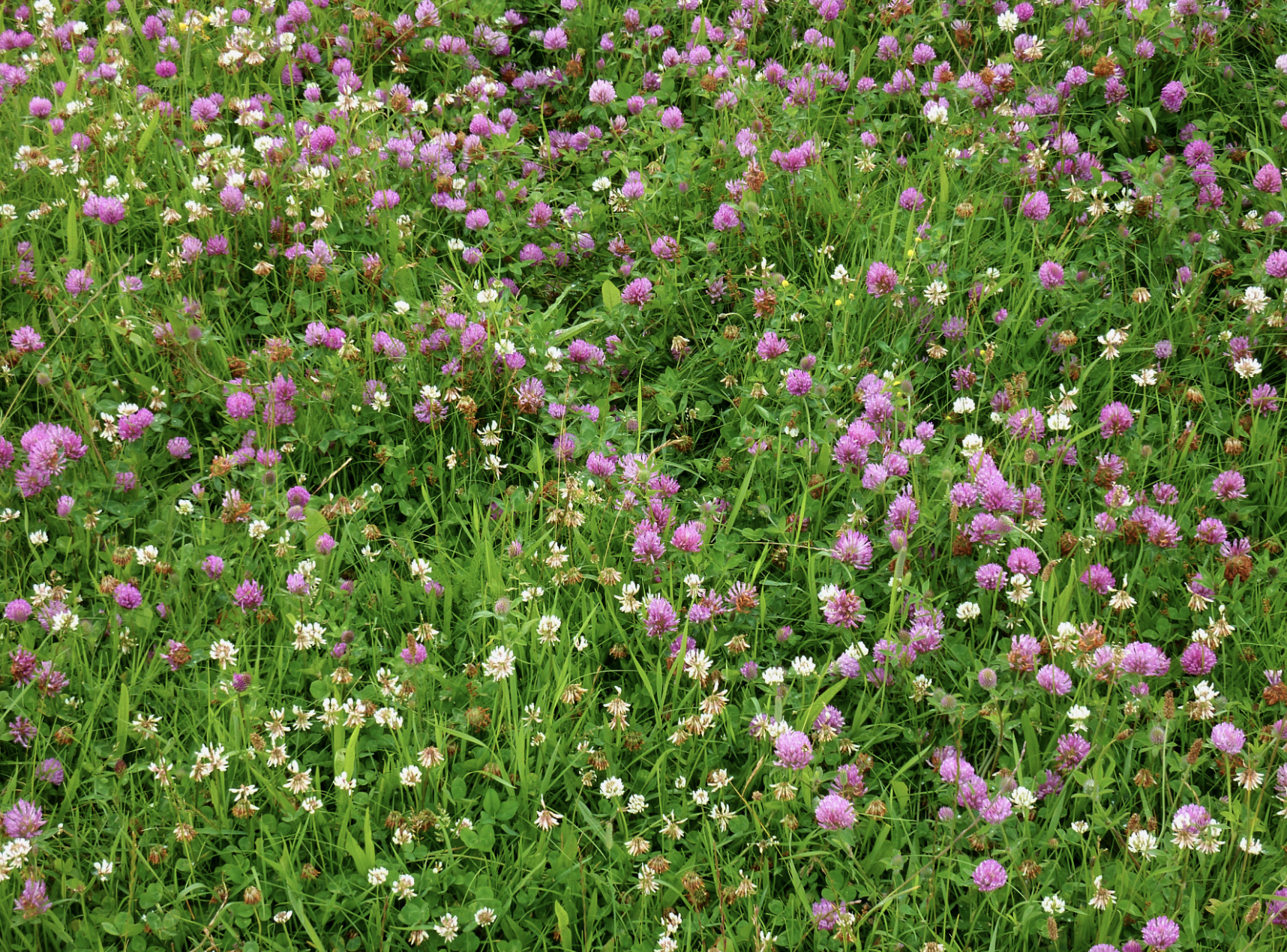
Grass remains the dominant element, but it shares the space with a variety of low-growing flowering plants and herbs. Instead of striving for strict uniformity, the lawn becomes a mixture of species living together in balance.
The result is still recognisably a lawn — it can be walked on, mown and used in exactly the same way — but it contains far greater ecological richness.
Throughout the growing season small flowers appear between the grass blades, providing colour and subtle variation while also supporting pollinators and other wildlife.
Rather than a single-species surface, the lawn becomes a living community of plants that wax and wane throughout the growing season.
Strength Through Diversity
One of the greatest advantages of a mongrel lawn is resilience.
Diverse plant communities are naturally more stable than monocultures. Different species respond differently to environmental conditions, meaning the lawn can adapt more easily to changing weather, soil conditions or stress.
This diversity can make a mongrel lawn:
More tolerant of drought
Naturally fertilised through nitrogen-fixing plants
More resistant to pests and disease
Not reliant on chemical inputs
Maintenance often becomes simpler as well. Without the need to constantly remove “weeds” or apply treatments, lawn care returns to its most basic form: occasional mowing and general observation.
In many cases, gardeners find they can reduce mowing frequency, allowing flowering plants time to bloom before the next cut. Some gardeners may choose to mulch their clippings back into the lawn to enrich their soil, or when caught with a catcher and composted the diversity in plant materials acts as a compost accelerator.
A Valuable Resource for Pollinators
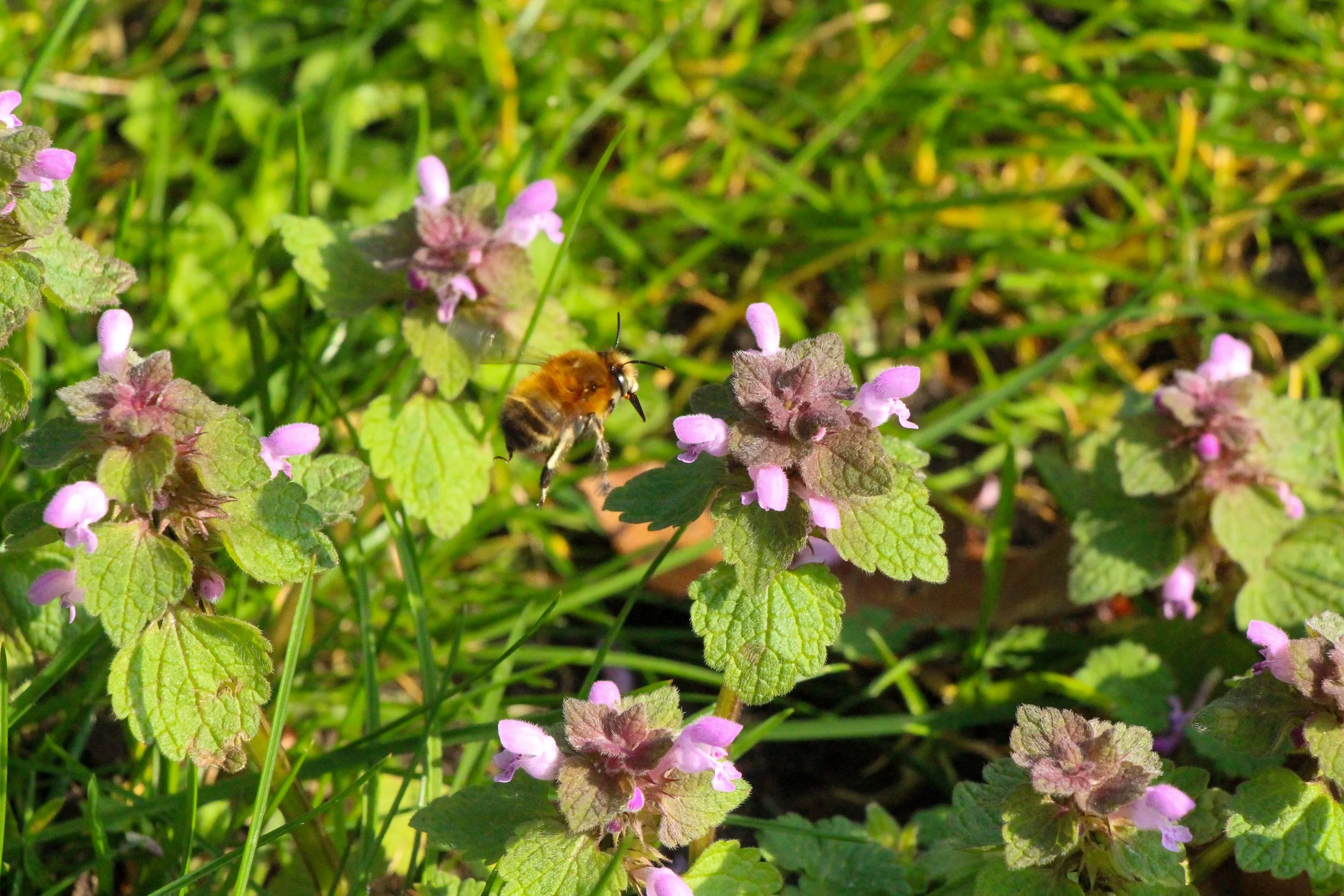
Small flowering plants within lawns can provide an important source of nectar and pollen, particularly in urban and suburban environments where natural habitats may be limited.
Species such as clover and self-heal are visited by a wide range of insects including:
Bumblebees
Solitary bees
Hoverflies
Butterflies
By attracting these important pollinators, we attract the species that feed on them. Birds.
Considering how much land in towns and cities is covered by lawns, even modest increases in plant diversity could create significant networks of food sources for pollinators.
What appears to be a small change in one garden can contribute to a much larger ecological benefit when repeated across neighbourhoods and communities.
The Real Shift: Changing Expectations
The challenge of the mongrel lawn is not technical — it is cultural.
For many years gardeners have been encouraged to view lawns through the lens of perfection and control. Uniformity has been equated with quality, and any deviation has been framed as a problem to correct.
Adopting a mongrel lawn requires a subtle but important shift in perspective.
Instead of prioritising strict uniformity, the focus moves toward ecological health, resilience and biodiversity. Plants that were once considered unwanted begin to be recognised for the role they play within a wider ecosystem.
The lawn remains functional and attractive, but it becomes something more than just a visual feature.
It becomes part of a living landscape.

A Lawn That Gives Back
The mongrel lawn offers an appealing balance between practicality and ecology. It still performs all the functions we expect from a lawn, providing space for relaxation, play and movement, while also contributing positively to soil health and biodiversity.
It requires fewer inputs, supports more wildlife and reflects a growing awareness that gardens are not isolated spaces, but part of a wider environmental system.
In many ways, the mongrel lawn represents a return to something more natural: a lawn that works with nature rather than against it.
And in an age where gardeners are increasingly looking for ways to support biodiversity at home, that may be exactly the kind of lawn we need.