

Mulch Will Save United Kingdom Gardens

Hands holding woodchip mulch
The United Kingdom has astoundingly beautiful gardens, filled with collections of the world’s most exceptional plants. Lovingly tended by gardeners who are among the most knowledgeable in the world in the craft of growing, those with a keen eye for putting plants together in a way that pleases even the least outdoorsy person.
But after leaving my native Australia and diving headfirst into the world of gardens and horticulture in the United Kingdom, one thing was starkly different.
“Where is the mulch?” I found myself saying almost constantly.
In Australia, observing a garden with bare soil is considered almost taboo, a major faux pas and completely, utterly unacceptable. We need mulch.
So why do two countries cut from the same cloth differ so strongly on this all-important mulch debate? Could it be the UK’s cooler climate means less soil evaporation? Is it the cost? Or do people seriously enjoy watering more frequently? I have my doubts.
Here is my call to the United Kingdom gardening community: jump on the mulch bandwagon, this year!
Mulch Builds Resilient Gardens
After a stifling British summer, and confirmation from the Met Office that 2025 was the hottest on record, I found myself increasingly confronted by a growing conversation among gardeners and horticulturalists: that planting schemes must evolve in response to a changing climate. That adapting what we plant is the only way forward.
But plants struggling through extreme heat is nothing new to Australian gardeners.
We garden in harsh conditions, under a sun that is unforgiving to anything not suited to it. And one of the simplest, most effective tools we use to manage that stress is mulch.
Mulch is far more than a decorative finish. It locks moisture into the soil, suppresses weeds, and crucially, helps build healthy, biodiverse soil life. And it is that living soil which, in turn, supports resilient, thriving plants.
What is Mulch?
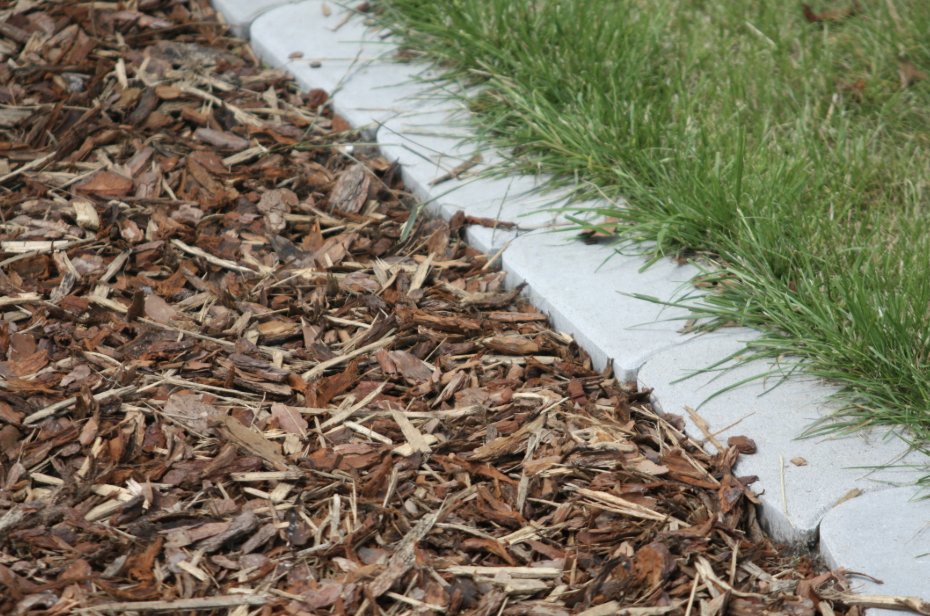
Simply put, Mulch a layer of ‘material’ applied to the surface of the soil. This material in my view should be of organic origin.
Bark
Wood Chips
Plant Material (Yes, plant prunings are mulch)
How To Use Mulch
Mulch should be applied yearly from late winter into early spring, once your big seasonal tidy-up is complete. Early spring is my favourite time, as it makes the garden feel fresh and renewed for the season ahead.
Some suggest applying mulch in late autumn, which is perfectly valid. However, I find I get the best results in spring, as the mulch will slowly begin to decompose over winter, meaning you lose some of its benefit before the growing season even begins.
Apply mulch at a depth of 5–10 cm across your garden beds and borders. It’s important to keep it away from the trunks of trees and the crowns of plants to prevent rot and disease.
Some people worry that their spring bulbs won’t be able to push through a thick layer of mulch, but don’t be concerned they’re more than capable and will grow straight through it without issue.
Extra Mulch Tips
You may wish to apply a layer of manure or compost before mulching to add extra nutrients to the soil.
For particularly weedy areas, lay down a layer of wet cardboard beneath your mulch to help smother weeds and suppress the seed bank below. I’ve found this can keep areas largely weed-free for 6–12 months.
It’s also worth mixing up your mulch types. Each year, consider using a different material—woodchip, bark, or composted matter—to help build a more biodiverse, healthy soil. Repeated use of the same mulch can lead to hydrophobic conditions, where water struggles to penetrate.
Remember: diversity builds biodiversity, and that applies just as much to your mulch as it does to your planting.Try sourcing larger amounts cheap from a local Arborist.
The Real Benefits Of Regularly Mulching
The benefits of mulch are simple, but tangible.
Mulch helps retain moisture in the soil, meaning less watering and more water available for plants when environmental conditions put them under stress.
It also plays a key role in building healthy soil. As mulch breaks down, it adds carbon and feeds microbial life, improving soil structure and long-term water-holding capacity. This increase in organic matter supports the symbiotic relationship between plants and fungi, allowing mycorrhizal networks to thrive and naturally support plant health, reducing the need for additional fertilisers.
Mulch of all types also helps suppress weeds by blocking light from reaching the soil surface, preventing germination. I like to think of it this way: soil doesn’t want to be bare, it wants to be covered. So either you cover it with mulch, or it will cover itself with whatever it can grow.
And finally, who doesn’t want a garden that looks incredible? A well-mulched border elevates the entire space visually, giving it a finished, intentional feel.
Exception To The Mulch Rule
Mulching can feel like a miracle but it does have one potential downside: bumblebees.
Bumblebees often nest underground, and covering their nesting sites with a thick layer of mulch can spell disaster for a colony. While mulching, keep an eye out for signs of nesting and leave those areas undisturbed.
They need all the help they can get.
Mulching isn’t a revolutionary idea, but it is a powerful one, and perhaps one the United Kingdom has overlooked for too long. As our climate shifts and our gardens are put under increasing pressure, it’s not just what we plant that matters, but how we care for the soil beneath them. A simple layer of mulch can make the difference between plants that merely survive and those that truly thrive. So this year, as you step back into your garden, don’t leave your soil bare. Cover it, protect it, show it some love.