

Designing Royal & Historic Gardens: Lessons from Todd Longstaffe-Gowan
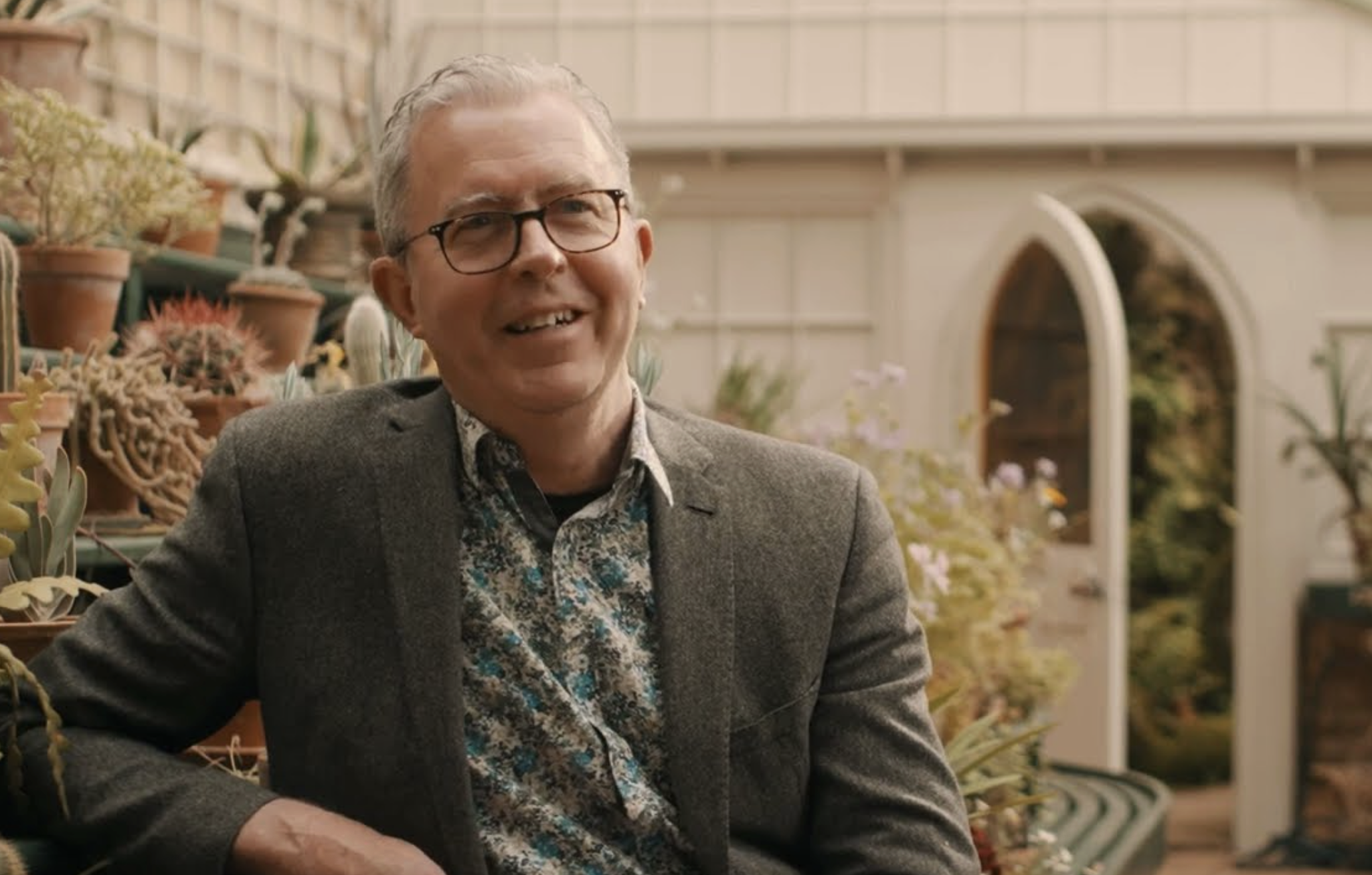
Landscape Designer Todd Longstaffe-gowan
Managing and designing historic landscapes including royal palaces is about understanding the layers of cultural history gardens like kensington palace and Hampton court palace hole. Few understand this better than Todd Longstaffe-Gowan, whose work across Britain’s most important cultural landscapes reveals a philosophy rooted in history, evolution, and restraint.
On a recent episode of The Gardener’s Lodge Podcast, Todd shared how decades of working with royal palaces, private estates, and historic gardens have shaped his unique approach to landscape design.
This is the story of how gardens, especially royal and historic ones, are never truly finished.
Designing with History, Not Against It
Working on historic and royal gardens demands a very different mindset than modern garden design. It’s not about imposing a vision, it’s about interpreting layers.
“I’m always adding a new layer… I’m not trying to create replicas of the past.”
For Todd, landscapes are living cultural documents. Every intervention must respect what came before while allowing for future evolution.
“I’m a player… one of many in these landscapes.”
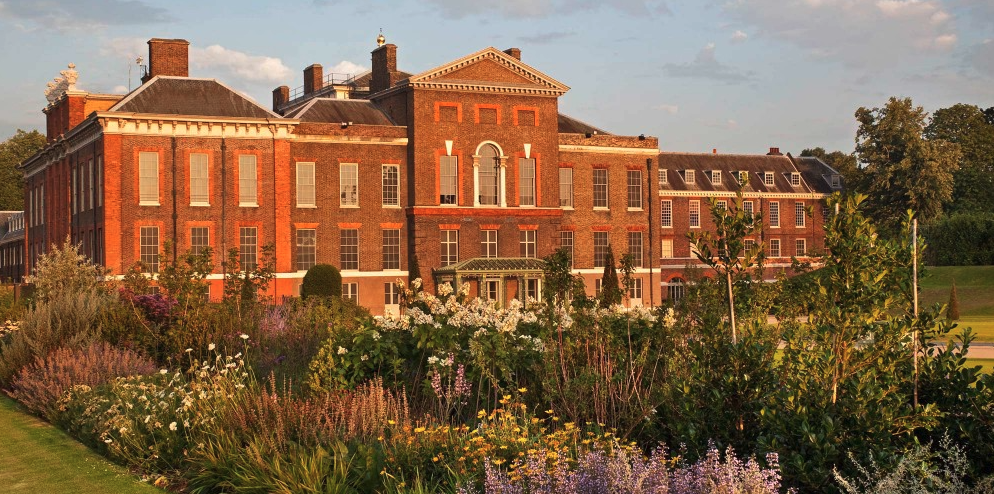
This philosophy is especially critical when working on sites like Hampton Court Palace and Kensington Palace, where public expectation and historical integrity must align.
The Challenge of Royal Gardens
Designing for royal landscapes introduces a unique tension: balancing historical accuracy with modern relevance.
“We have visitors that have expectations… this kind of landscape is a little bit less flexible.”
Unlike private estates, royal gardens must reflect a shared cultural memory. Visitors expect to see history, not reinterpretation.
Yet even these iconic landscapes must evolve.
“These landscapes cannot be entirely fixed… they have to change as well.”
This creates one of the biggest challenges in historic garden design today: how to incorporate sustainability, biodiversity, and climate resilience without losing identity.
The 300-Year Mindset
Perhaps the most striking insight from Todd’s work is the timescale.
At Hampton Court, planning isn’t measured in years, but centuries.
“We have a 300-year management plan.”
This long-term thinking is rooted in the lifespan of landscape features like tree avenues, which define the structure and meaning of these historic spaces.
“If you’re a custodian of an ancient landscape… you’ve really got to take the long view.”
For modern garden designers and homeowners alike, this is an important less - Great gardens are not quick wins, they are long term projects that shouldn’t be rushed.
When to Preserve… and When to Change
One of the most controversial aspects of managing historic gardens is deciding what stays and what goes.
Todd recalls the challenge of removing trees at Kensington Palace to restore historic sightlines:
“Sometimes trees aren’t planted in the right place… we must be bold enough to accept that.”
Speaking about a private estate he work with, Todd stresses the importance of understanding why a property was built where it was.
“This place was built with a view… and the fact that the view is gone must be incorrect.”
It’s a reminder that good garden design isn’t always about adding, it’s often about editing.
Landscapes as Living Art
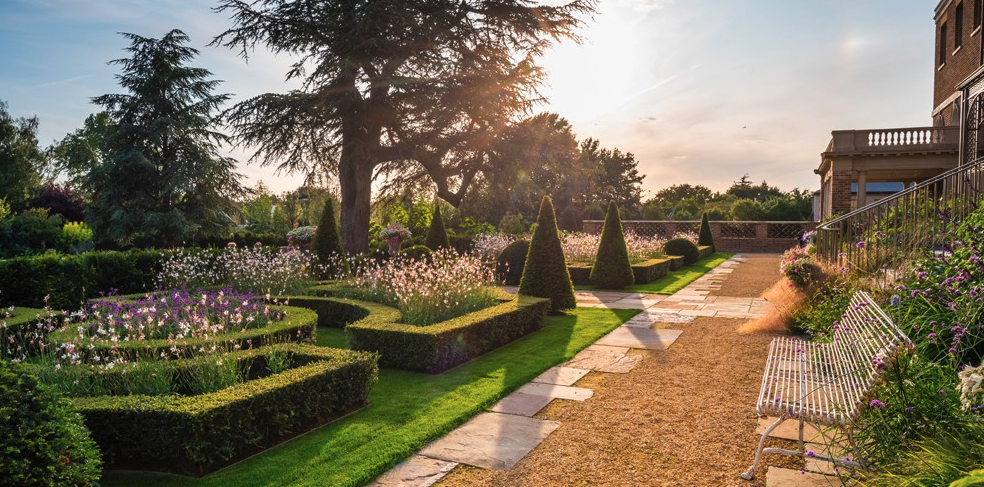
So what are historic gardens, really?
Art? History? Ecology?
For Todd, they are all of these and more.
“They document the past… but the dynamism of a garden is what really attracts me.”
He sees landscapes as layered, evolving compositions shaped by culture, people, and time.
“It’s a collaboration… not just in the present, but with people who are long gone.”
This perspective transforms garden design from a static discipline into something far more fluid and meaningful.
The Power of Constraints in Garden Design
Interestingly, Todd believes limitations are essential to creativity.
“Constraints are brilliant… they make one much more creative.”
Whether it’s budget, history, or physical site limitations, these boundaries force better decisions and more thoughtful design.
This insight is just as relevant for small domestic gardens as it is for royal estates.
A More Relaxed Future for Gardens
Despite working on some of the most formal landscapes in the world, Todd’s personal approach is far more relaxed.
“I prefer a simpler palette… a much more romantic view.”
His own garden embraces openness, movement, and a softer, park-like feel. Highlighting a broader shift in modern garden design toward naturalistic and experiential spaces.

Why Historic Gardens Still Matter
In a world increasingly focused on sustainability and rapid change, historic gardens offer something rare: continuity.
They remind us that landscapes are never finished and never should be.
“Everything’s a work in progress… I accept that.”
This mindset is perhaps the most valuable takeaway for any gardener, designer, or landscape enthusiast.
Listen to the Full Conversation
This article only scratches the surface of an incredibly rich conversation with Todd Longstaffe-Gowan.
If you’re passionate about garden design, historic landscapes, and the future of horticulture, this is an episode you don’t want to miss.