

Gardening in Tandem With Nature: Why Less Intervention Creates Better Gardens
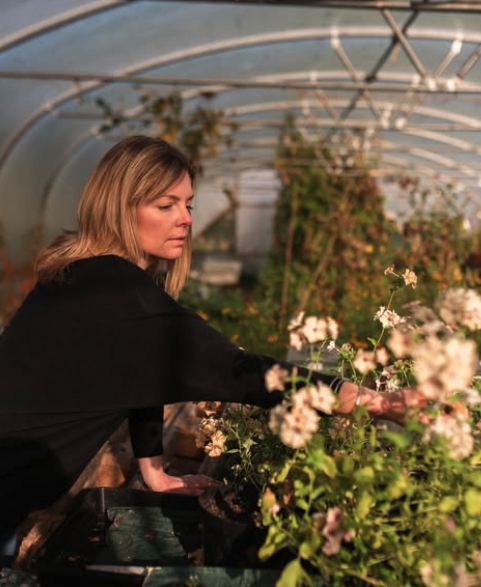
Sarah Wilson, Hosts of ‘Roots And All’ Podcast
For decades, gardening advice was focused on control, pruning here, not there! Managing weeds of your garden will be ruined. create landscapes to human intention and keep nature out... But horticulturist and Roots and All podcast host Sarah Wilson argues that the most resilient gardens often emerge when we step back.
“I sort of see myself as interfering in a landscape,” she reflects. Shes always been a wildlife gardener, but this awareness has gradually reshaped her approach, moving away from management toward a philosophy rooted in observation and restraint.
Today, she describes her work as “gardening in tandem with” nature. “If I think there’s a patch of garden that I should just leave alone because it’s doing its thing, then I absolutely will.”
Learning to observe before acting
Wilson believes one of the most valuable skills gardeners can develop is patience. Rather than responding immediately to perceived problems, she advocates watching closely to understand ecological patterns.
“You can see with your eyes what the situation is,” she says, noting that careful observation often reveals which plants and wildlife interactions are already functioning successfully. For example, when an aphid infestation takes hold of a favourite rose, resist the urge to intervene and instead waiting for signs of ladybirds or lacewings arriving to restore balance.
It’s about creating equilibrium within the garden. So-called ‘bad’ pest insects play an essential role in attracting beneficial predators that keep ecosystems healthy.
This shift, from reacting to understanding, reflects a broader movement in ecological gardening toward stewardship over control.
Editing, not imposing
Interestingly, Wilson finds the greatest satisfaction not in planting, but in refining what already exists. She describes weeding as an act of thoughtful editing rather than removal.
“There’s something about kind of editing… and letting things remain that have popped up themselves,” she says.
This perspective reimagines the gardener’s role, not as owner of a space, but as a curator shaping a living system.

Working with existing conditions
Perhaps Wilson’s most consistent message is the importance of working with a garden’s inherent character rather than forcing change.
“You can’t ride roughshod over what you’ve already got,” she says. “You have to try and work with what is already in situ.”
For gardeners facing climate uncertainty and shifting ecological conditions, this collaborative mindset may prove more valuable than any prescriptive planting scheme.
🎧 Sarah Wilson explores this philosophy in depth in her recent appearance on The Gardener’s Lodge Podcast, where she discusses ecological gardening, observation, and working alongside nature rather than against it and her career in the garden media landscape