

Britain’s Beautiful Illusion: Why Countryside Is Failing Biodiversity, and How Rewilding Could Save It.
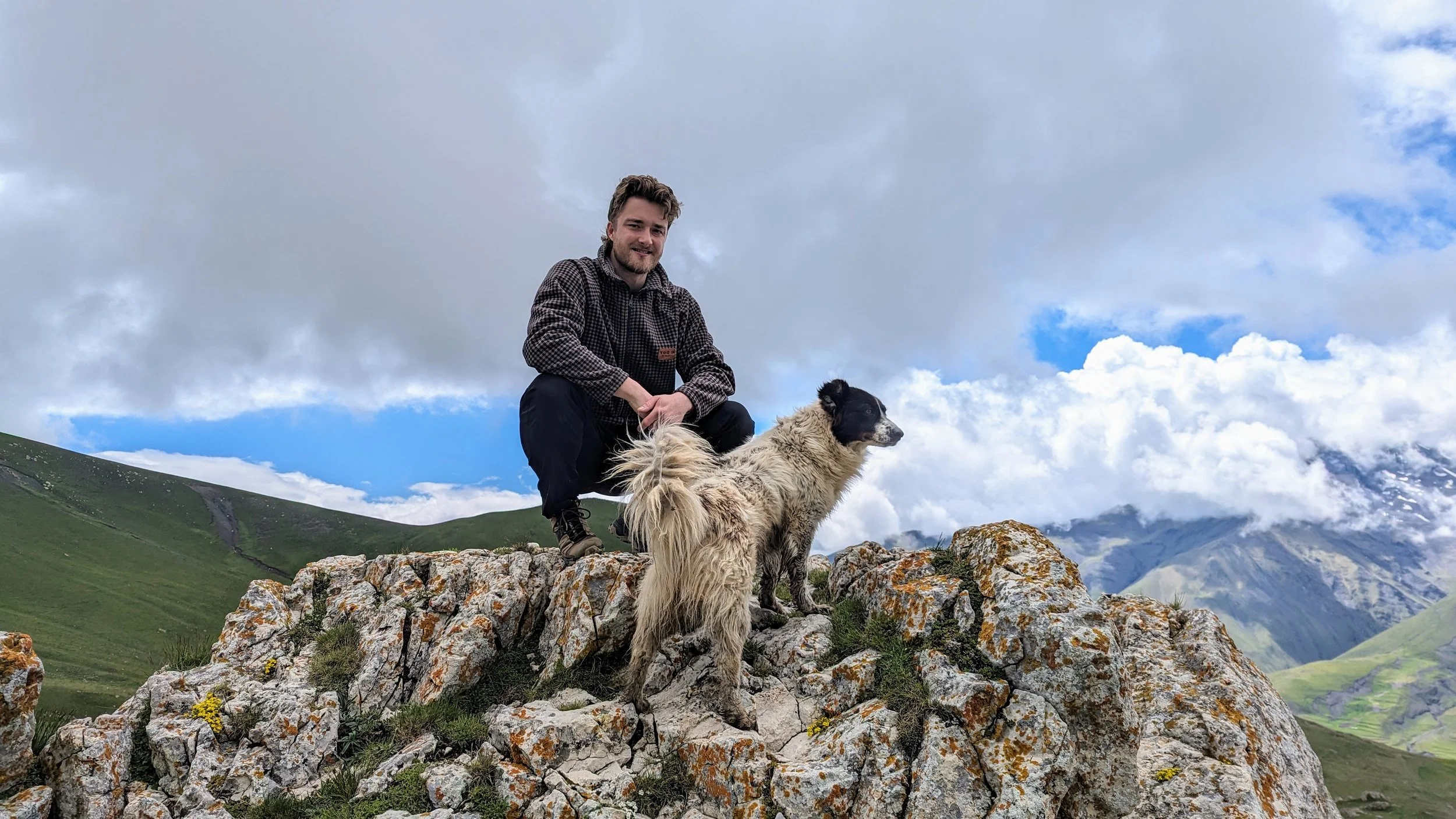
Ecologist Tom France
For many, the British countryside evokes images of rolling green hills, tidy hedgerows, and postcard-perfect pastures. It appears idyllic, timeless, and lovingly preserved. But ecologist and content creator Tom France says this beloved landscape is far from wild, and far less ecologically beneficial than we think.
“Most people would be shocked to learn about just how degraded… the state of our nature in the UK [is],” France says. Despite the nation seeing itself as wildlife-loving, he believes this perception obscures a stark truth: Britain is one of the most nature-depleted countries in the world.
“One in seven species in the UK is threatened with extinction,” he explains. Yet “no one’s really talking about that… no one really realises that.”
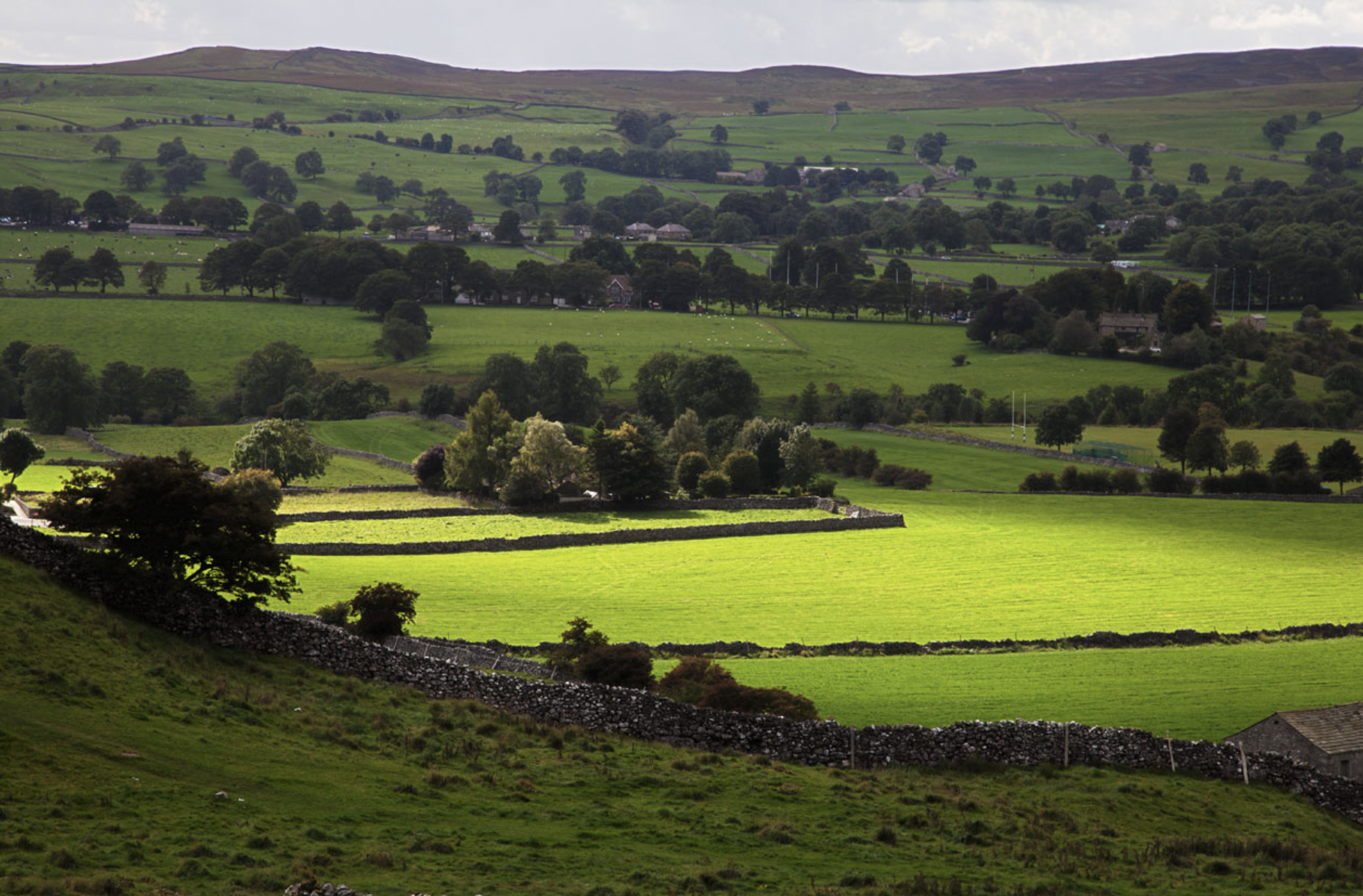
Photo by Petr Kratochvil of yorkshire countryside
A Countryside Shaped by Us — Not Nature
Many iconic British landscapes are, in France’s words, are “completely modified artificial environments that we have changed over thousands of years”. From the sheep grazed uplands of the Lake District to the treeless ridges of Snowdonia, Britain’s hills are far quieter than they should be.
He recalls walking through mountain regions as a teenager, admiring the views, but later discovering he had been standing in an “ecological desert.” The sparse vegetation wasn’t natural; it was the outcome of centuries of grazing pressure and land management that prevented young trees from ever returning.
And this is where France believes a cultural misconception holds us back. “We are obsessed with preservation… this idea of the rural ideal landscape of neatness and tightness.”
To many, the patchwork fields and stone-lined meadows of upland Britain represent tradition and heritage. To ecologists, they are landscapes frozen in a severely depleted ecological state.
Rewilding Isn’t About Wolves and Apex preditors — It’s About Breathing Life Back Into the Land
While headlines often focus on wolves or lynx, France insists that British rewilding is far more grounded and far more urgent. “People hear rewilding and think, ‘Oh my God, they’re bringing wolves back.’… It’s just not that serious.”
Instead, rewilding means asking simple questions:
What once lived here?
What ecological processes are missing?
How can we restore them?
In some places, like the celebrated Knepp Estate, nature rebounds quickly when farming stops.
“You sit back and do nothing… animals will come in… and that will be successful.”
But in much of the UK, especially the uplands, nature needs a push start or helping hand. “If you were to do nothing for 30 years [in the Scottish Highlands], not much would happen… you have to get involved.”
That means:
Strategic native tree planting
Temporary protection from grazing
Reconnecting fragmented habitats
Allowing natural processes, once re-established, to take over
France believes rewilding will also reconnect people to the land. As new wilder spaces emerge, access often increases too. “Almost all rewilding sites allow public access… it’s not only ecological restoration, but allowing the public greater access to land.”
And with access comes curiosity and stewardship.

A Chance to Change the Story
Rewilding, to France, isn’t an attack on farmers or the countryside. It’s a chance to work with them to restore balance.“If we know what we’re missing, we know what we can bring back.”
It’s a slow return to a Britain where insects hum in summer, where meadows glow with wildflowers, and where woodlands expand naturally across hillsides.
A Britain that feels alive again.
To hear the full conversation with ecologist Tom France, listen to the latest episode of The Gardener’s Lodge Podcast — available wherever you get your podcasts.